How Gen Z and Millennials are swapping digital convenience for two-stroke soul, mechanical connection, and timeless retro aesthetic.
In an era dominated by hyper-modern electric scooters, silent battery-powered commuters, and sleek high-tech motorcycles, one might assume that loud, smoke-puffing, manual 2-stroke vehicles would be relegated to dusty museum displays. Yet, across major cosmopolitan cities—from London and Tokyo to Jakarta and Brooklyn—a striking counter-trend is emerging: younger riders are falling in love with classic vintage Vespas.
Generations raised on touchscreens and automated convenience (Gen Z and younger Millennials) are deliberately seeking out models built in the 1960s, 70s, and 80s—such as the classic Vespa Sprint, Special 50, and PX Series. This revival goes far deeper than mere nostalgia; it represents a cultural movement towards authenticity, self-expression, and tactile engagement.
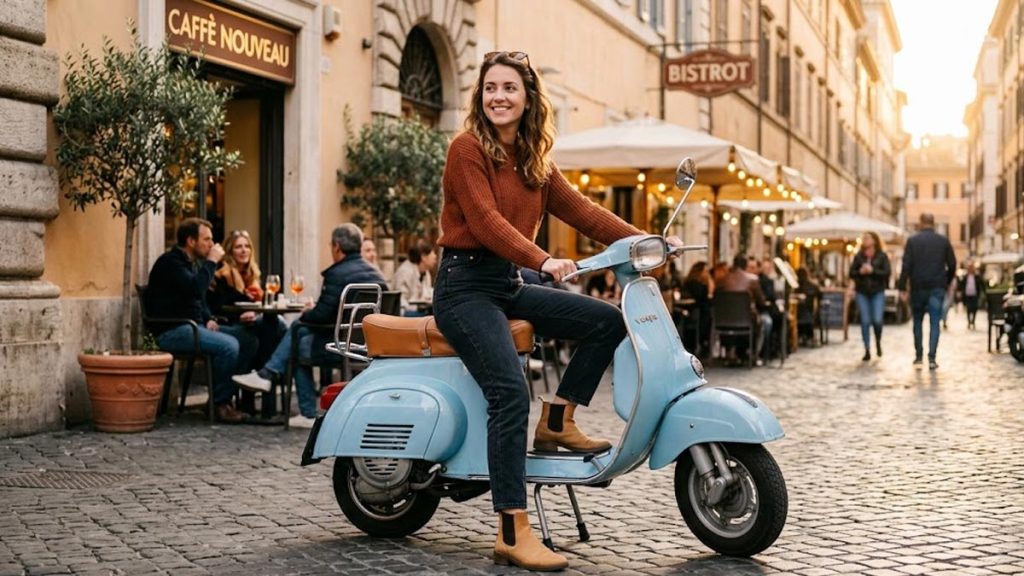
1. The “Tactile Awakening”: Craving Mechanical Connection
Younger generations live in a seamless, touch-screen world where technology feels increasingly frictionless yet impersonal. Modern scooters operate on automatic CVT transmissions—you simply twist the throttle and go. In contrast, riding a classic two-stroke Vespa requires full body-and-mind engagement:
- The Art of Manual Shifting: Operating a vintage Vespa requires rotating the left handlebar grip while pulling the clutch—a rhythmic skill that connects the rider directly to the machine.
- Mechanical Intimacy: Mixing two-stroke oil with gasoline, adjusting the choke on a cold morning, and kick-starting the engine provide a visceral sense of accomplishment that digital devices cannot replicate.
- The Thrill of Analog Riding: The distinct buzzing exhaust note, the scent of burning 2-stroke oil, and the raw feedback from the road offer a sensory experience that modern electric commuters deliberately filter out.
2. Counter-Culture Aesthetic in a Cookie-Cutter World
Today’s mass-market scooters prioritize aerodynamic plastic paneling and uniform design, rendering most modern models nearly indistinguishable from one another. For young urbanites who value personal style, classic Vespas offer an unrivaled canvas for individuality:
- Authentic Retro Appeal: Unlike modern vehicles trying to look “retro” with plastic trim, a 1970s Vespa possesses genuine historic patina, organic curves, and pressed-steel craftsmanship that ages gracefully over decades.
- The “Instagram & TikTok” Effect: The visual culture of social media has elevated vintage motoring into a major lifestyle trend. A restored pastel-toned Vespa paired with vintage fashion delivers an effortless, timeless aesthetic that stands out in digital feeds.
3. The DIY Garage Community & Sustainable Fashion
The resurgence of vintage Vespas is also anchored in a growing youth subculture focused on hands-on craft, sustainability, and community bond:
- Reclaiming the Right to Repair: While modern electronics are locked behind complex software and dealership diagnostics, classic Vespas feature wonderfully simple, accessible mechanical designs. Younger owners enjoy learning how to clean a carburetor or change a spark plug using basic hand tools.
- A Statement in Sustainable Mobility: Restoring and maintaining a 40-year-old steel scooter is the ultimate form of recycling. Rather than contributing to consumer electronics waste and battery manufacturing footprints, young riders choose to keep historic machinery alive.
Comparison: Modern Automatic Scooter vs. Vintage Manual Vespa
| Feature | Modern Automatic Scooter | Vintage Manual Vespa |
| Transmission | Automatic (Twist-and-Go CVT) | 4-Speed Manual (Twist-Grip Handlebar) |
| Body Material | Plastic Fairings & Composite Panels | 100% Pressed Steel Monocoque Frame |
| Maintainability | Requires specialized electronic diagnostics | Simple DIY mechanics with basic hand tools |
| Riding Experience | Smooth, silent, utilitarian commuting | Tactile, rhythmic, highly sensory & engaging |
| Cultural Value | Rapidly depreciating consumer good | Appreciating classic collectible & fashion statement |
Conclusion: More Than Transport—A Lifestyle Movement
The surprising comeback of vintage Vespas among younger riders isn’t a rejection of progress, but a conscious choice to enrich daily life. By trading automated perfection for mechanical soul, Gen Z and Millennial riders are proving that some designs are so fundamentally right that they never go out of style—they simply wait for the next generation to rediscover them.